

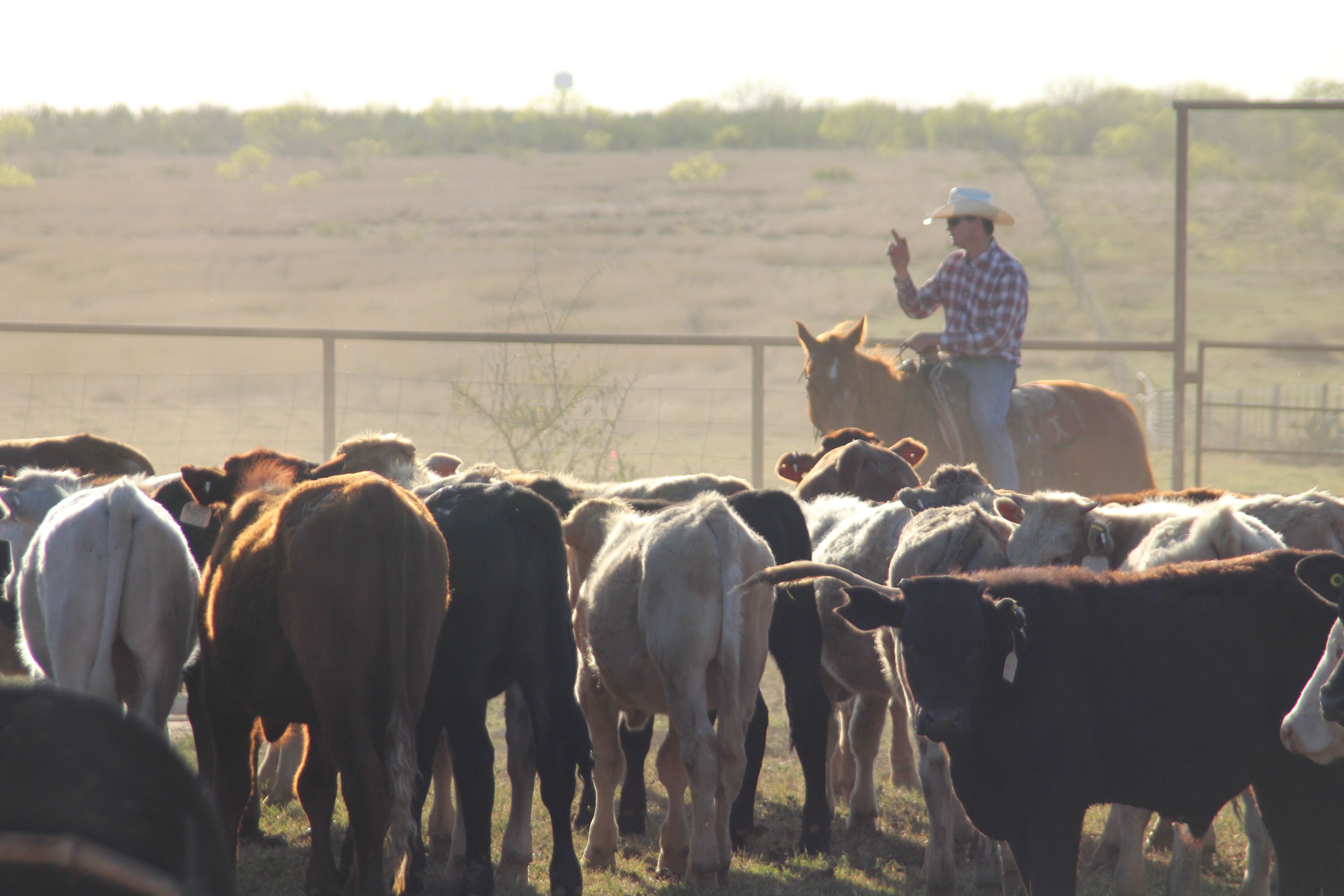
Ty Keeling on Cattle, Responsibility, and the Long View
Ty Keeling makes his living in cattle production and sales, but his work is rooted in something older than markets or margins: paying attention to land, animals, and consequences. Raised in rural Texas, Keeling talks candidly about responsibility, stewardship, and the lessons that stay with you long after you’ve learned them. This conversation unfolds the way ranch life does — slowly, honestly, and over time.

TXR: Let’s start with where you’re from. Where did you grow up?
Ty: I was born in Jourdanton, Texas. I grew up between South Texas and Central Texas, mostly in rural places. My family’s been in ranching and agriculture for generations, so land and livestock were always just part of everyday life.
TXR: What did that kind of upbringing look like day to day?
Ty: It wasn’t romantic. It was work. Early mornings, long days, being outside whether you wanted to be or not. You learn pretty quickly that the land doesn’t care about your plans. You adapt to it, not the other way around.
Ty: I was born in Jourdanton, Texas. I grew up between South Texas and Central Texas, mostly in rural places. My family’s been in ranching and agriculture for generations, so land and livestock were always just part of everyday life.
TXR: What did that kind of upbringing look like day to day?
Ty: It wasn’t romantic. It was work. Early mornings, long days, being outside whether you wanted to be or not. You learn pretty quickly that the land doesn’t care about your plans. You adapt to it, not the other way around.
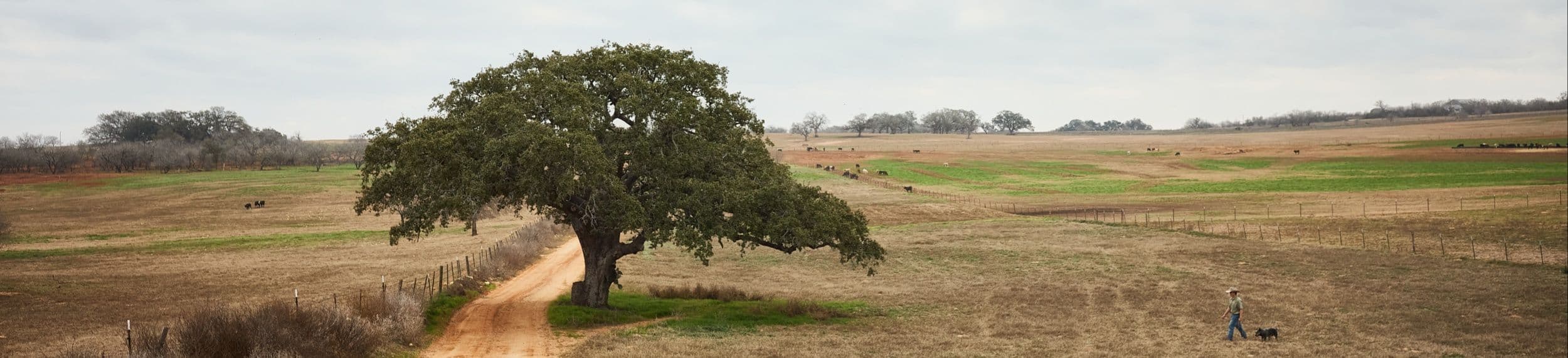
“The land doesn’t care about your plans. You adapt to it, not the other way around.”
- Ty Keeling

TXR: Was there a moment growing up that really stuck with you — something you still think about today?
Ty: So when I was probably eight or so years old, my dad helped a man learn a computer spreadsheet program called Lotus. And in return, that man gave me six little calves out of Mexico. And they were my first cattle. All I had to do was feed them and make sure they had water.
And I remember one time, my dad asked me about them. And he’s like, “Are they all alive?”
And I was like, “Yeah.”
And he’s like, “Oh, really?”
Well, there was one dead, and I hadn’t taken care of it the way I should have. And so then I was like, “No, I lied.”
And so I had to bury it. Memorable spanking for that.
But full term, you know, the man that gave my dad those cattle was the man I ended up buying out and taking over his cattle order-buying business.
And I think it was obviously a very impactful lesson. A lot of lessons there — truth-telling, cause and effect, animal husbandry, and staying connected.
TXR: How would you describe what your work actually involves?
Ty: It’s a mix. You’re watching cattle, watching grass, watching water, and paying attention to markets. A lot of it is making decisions ahead of time and then living with them. Most of the job is just paying attention.
TXR: What keeps you in it?
Ty: It’s honest work. You can’t fake it. If you don’t take care of cattle, it shows. If you don’t take care of the land, it shows. Everything is connected.
Ty: So when I was probably eight or so years old, my dad helped a man learn a computer spreadsheet program called Lotus. And in return, that man gave me six little calves out of Mexico. And they were my first cattle. All I had to do was feed them and make sure they had water.
And I remember one time, my dad asked me about them. And he’s like, “Are they all alive?”
And I was like, “Yeah.”
And he’s like, “Oh, really?”
Well, there was one dead, and I hadn’t taken care of it the way I should have. And so then I was like, “No, I lied.”
And so I had to bury it. Memorable spanking for that.
But full term, you know, the man that gave my dad those cattle was the man I ended up buying out and taking over his cattle order-buying business.
And I think it was obviously a very impactful lesson. A lot of lessons there — truth-telling, cause and effect, animal husbandry, and staying connected.
TXR: How would you describe what your work actually involves?
Ty: It’s a mix. You’re watching cattle, watching grass, watching water, and paying attention to markets. A lot of it is making decisions ahead of time and then living with them. Most of the job is just paying attention.
TXR: What keeps you in it?
Ty: It’s honest work. You can’t fake it. If you don’t take care of cattle, it shows. If you don’t take care of the land, it shows. Everything is connected.
TXR: How much of your focus is on the animals themselves?
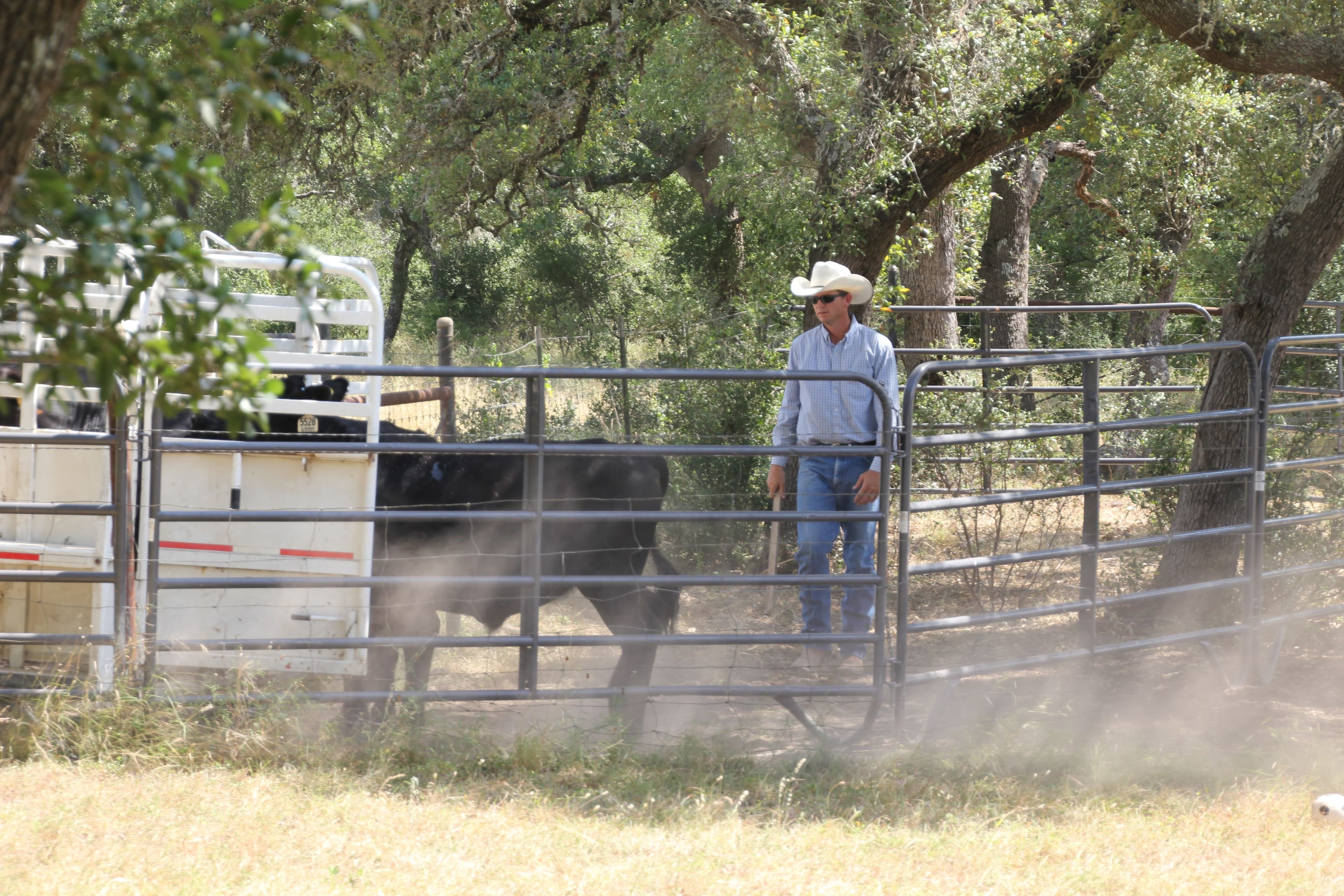
Ty: A lot of it. You’re responsible for living things. Nutrition, water, stress, timing — all of that matters. Healthy cattle come from good management, and that responsibility doesn’t go away.
TXR: And how does the land factor into those decisions?
Ty: Just as much. The land is what makes everything else possible. If you don’t manage grazing correctly or think about rain and drought, you’re creating problems for yourself down the line.
TXR: Has your perspective on that changed over time?
Ty: You get more patient. You stop chasing short-term wins. Ranching teaches you to think in years instead of weeks.
TXR: Texas is a big place. How important is specific place in the way you work?
Ty: It matters a lot. South Texas is different from Central Texas, and you can’t treat them the same. Rainfall, soil, heat — the land tells you what works if you’re paying attention.
Ty: A lot of it. You’re responsible for living things. Nutrition, water, stress, timing — all of that matters. Healthy cattle come from good management, and that responsibility doesn’t go away.
TXR: And how does the land factor into those decisions?
Ty: Just as much. The land is what makes everything else possible. If you don’t manage grazing correctly or think about rain and drought, you’re creating problems for yourself down the line.
TXR: Has your perspective on that changed over time?
Ty: You get more patient. You stop chasing short-term wins. Ranching teaches you to think in years instead of weeks.
TXR: Texas is a big place. How important is specific place in the way you work?
Ty: It matters a lot. South Texas is different from Central Texas, and you can’t treat them the same. Rainfall, soil, heat — the land tells you what works if you’re paying attention.
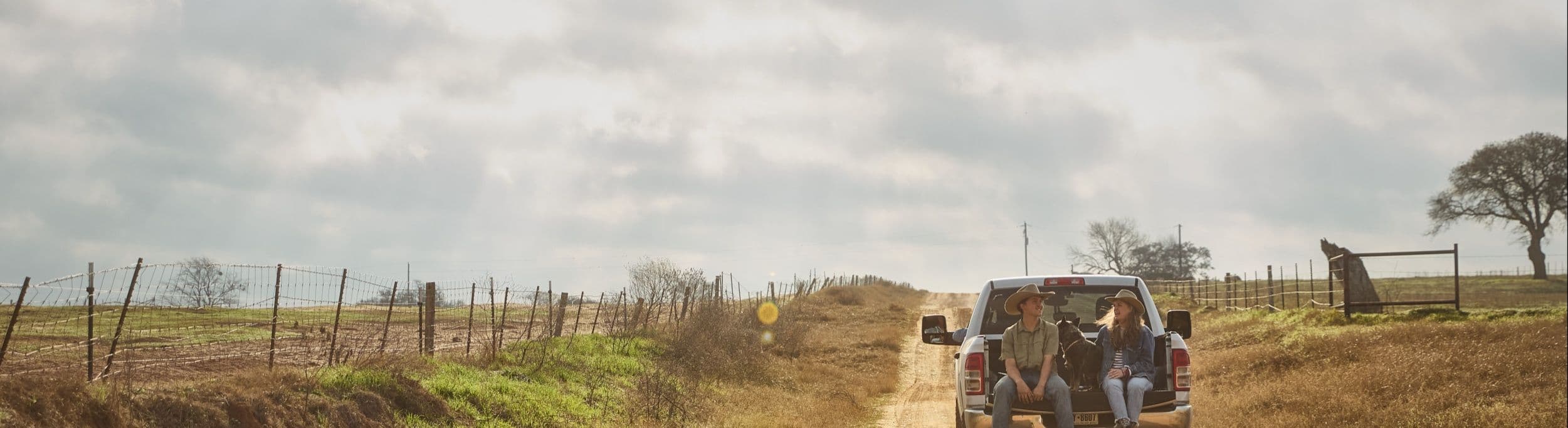
"Ranching teaches you to think in years instead of weeks."
- Ty Keeling
TXR: What do people tend to misunderstand about ranching or cattle production today?
Ty: That it’s frozen in time. It’s not. The values are similar, but the tools and challenges are different. You have to adapt, or you won’t last.
TXR:What values feel constant to you?
Ty: Responsibility. Stewardship. Doing what you say you’re going to do. And understanding that you’re working with things you don’t fully control.
TXR: How do markets fit into that picture?
Ty: You pay attention, but you don’t chase every swing. If you manage cattle and land correctly, the markets usually take care of themselves over time.
TXR: What gives you optimism about the future of working land and livestock in Texas?
Ty: The people who are still paying attention. The ones who are thinking long-term and not just reacting. There are a lot of folks trying to do it the right way.
TXR: When you strip it all back, what does this life mean to you?
Ty: It’s a responsibility. To the cattle, to the land, and to the people who come after you. You do the best you can while you’re here.
Ty: That it’s frozen in time. It’s not. The values are similar, but the tools and challenges are different. You have to adapt, or you won’t last.
TXR:What values feel constant to you?
Ty: Responsibility. Stewardship. Doing what you say you’re going to do. And understanding that you’re working with things you don’t fully control.
TXR: How do markets fit into that picture?
Ty: You pay attention, but you don’t chase every swing. If you manage cattle and land correctly, the markets usually take care of themselves over time.
TXR: What gives you optimism about the future of working land and livestock in Texas?
Ty: The people who are still paying attention. The ones who are thinking long-term and not just reacting. There are a lot of folks trying to do it the right way.
TXR: When you strip it all back, what does this life mean to you?
Ty: It’s a responsibility. To the cattle, to the land, and to the people who come after you. You do the best you can while you’re here.
View Profile
cattle